How First Responders Ensure Safety During Hazardous Releases and Exposure Incidents


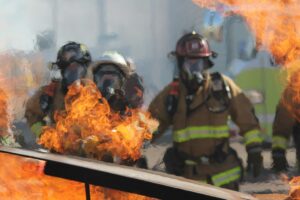
First responders serve as the frontline defense when hazardous releases or exposure incidents threaten public safety. These professionals, including firefighters, emergency medical technicians (EMTs), and law enforcement officers, are trained to react immediately and decisively in high-risk environments. Whether responding to chemical spills, toxic gas leaks, or industrial accidents, their presence ensures that emergencies are managed quickly to reduce harm. Their ability to make rapid decisions under pressure is critical in preventing situations from escalating into large-scale disasters.
Moreover, first responders are responsible for protecting not only affected individuals but also surrounding communities and ecosystems. They must evaluate risks, prioritize actions, and coordinate resources within minutes of arrival. As a result, their role extends beyond simple emergency response; they are key figures in safeguarding long-term public health and environmental stability.
Rapid Assessment and Scene Control
One of the most important responsibilities of first responders is conducting a rapid assessment of the situation. Upon arrival, they gather essential information about the hazardous material involved, its potential effects, and the scale of the release. This often includes identifying chemical properties, understanding exposure pathways, and evaluating immediate threats to life and property. Consequently, this early assessment forms the foundation for all response actions that follow.
In addition, establishing control over the scene is crucial for maintaining order and safety. First responders create secure perimeters to limit access and prevent further exposure. They may evacuate nearby populations or instruct individuals to shelter in place depending on the risk level. Furthermore, controlling the environment helps ensure that only properly equipped personnel enter hazardous zones, significantly reducing the chance of additional injuries or contamination.
Emergency Medical Response and Decontamination
When exposure to hazardous substances occurs, immediate medical intervention becomes a top priority. First responders are trained to provide life-saving care, including administering oxygen, performing CPR, and stabilizing victims for transport to medical facilities. At the same time, they assess symptoms such as breathing difficulty, burns, or neurological effects to determine the severity of exposure. Consequently, early medical action can significantly improve survival rates and reduce long-term health complications.
In contrast, decontamination is equally critical in managing hazardous incidents. Responders establish designated zones where affected individuals undergo cleaning procedures to remove harmful substances from their bodies and clothing. This process prevents the spread of contamination to others, including healthcare workers and emergency personnel. Furthermore, proper decontamination ensures that medical treatment can be administered safely without risking secondary exposure.
Personal Protective Equipment and Safety Measures
Equally essential to effective response operations is the use of appropriate personal protective equipment (PPE). First responders rely on specialized gear such as chemical-resistant suits, gloves, helmets, and respiratory protection devices. These tools act as a barrier against harmful substances and are carefully selected based on the nature of the hazard. Therefore, choosing the correct level of protection is a critical decision that directly impacts responder safety.
Additionally, strict safety procedures are followed whenever responders operate in hazardous environments. They often work in teams, maintain constant communication, and follow established entry and exit protocols. For instance, monitoring air quality and exposure time ensures that responders do not exceed safe limits. As a result, these safety measures not only protect personnel but also enhance the effectiveness of the entire response operation.
Coordination with Specialized Teams and Agencies
As hazardous incidents grow in complexity, first responders often collaborate with specialized teams such as hazardous materials (HAZMAT) units. These teams possess advanced training and equipment designed to handle highly dangerous substances. Therefore, effective communication between initial responders and specialized units is essential for a successful outcome. This coordination ensures that the right expertise is applied at the right time.
Moreover, cooperation extends beyond local teams to include regional and national agencies. These organizations may provide additional resources, technical support, and logistical assistance during large-scale emergencies. By working together, multiple agencies can manage incidents more efficiently and minimize their impact. In this way, collaboration enhances both the speed and effectiveness of the overall response effort.
Training, Preparedness, and Continuous Improvement
Ongoing training is fundamental to maintaining the readiness of first responders. They participate in regular drills, simulations, and educational programs to sharpen their skills and stay updated on new hazards and technologies. These exercises often replicate real-life scenarios, allowing responders to practice decision-making and coordination under pressure. As a result, continuous training ensures that they remain capable of handling even the most challenging situations.
Finally, learning from past incidents plays a crucial role in improving future responses. After each emergency, responders evaluate their actions, identify strengths and weaknesses, and update procedures accordingly. This process leads to better strategies, improved equipment, and enhanced safety protocols. Ultimately, the commitment to continuous improvement enables first responders to protect communities more effectively and contribute to a safer, healthier future.