Fire Departments Protecting Communities Through Daily Care


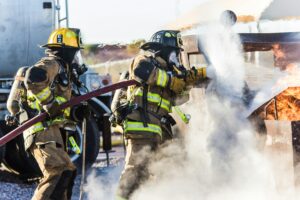
Fire departments play a vital role in keeping people safe. Every day, they respond to emergencies, educate residents, and support community well-being. Many people think fire departments only fight fires. However, their responsibilities reach far beyond that single task. They work around the clock to protect lives, property, and public safety.
Modern fire departments serve as a key part of every community. They prepare for emergencies before they happen and respond quickly when danger appears. Because of their dedication, neighborhoods remain safer and more resilient. Their daily efforts help reduce risks and improve the quality of life for everyone.
Fire Departments Respond to Emergencies Around the Clock
One of the most important duties of fire departments involves emergency response. Firefighters stay ready every hour of every day. When a call comes in, they move quickly to the scene and begin helping those in need.
Although fires remain a major concern, fire departments handle many other emergencies. They assist during vehicle accidents, medical crises, hazardous material incidents, and natural disasters. Their fast response often saves lives and limits damage.
Moreover, firefighters train continuously to perform effectively under pressure. They learn how to use specialized equipment, communicate with other emergency teams, and manage difficult situations. As a result, communities receive professional help during emergencies.
Because emergencies can happen at any time, fire departments maintain readiness year-round. Their commitment provides peace of mind to residents and businesses alike.
Fire Prevention Creates Safer Communities
Fire departments do more than respond to emergencies. They also focus heavily on prevention. By identifying risks before problems arise, they help reduce the number of fires and related injuries.
Many fire departments conduct building inspections to ensure compliance with safety standards. They check fire alarms, emergency exits, sprinkler systems, and other critical safety features. These inspections help property owners maintain safer environments.
In addition, fire departments guide reducing fire hazards. They educate homeowners about safe cooking practices, electrical safety, and proper storage of flammable materials. Because of this outreach, many potential emergencies never occur.
Furthermore, prevention programs strengthen community awareness. Residents who understand fire risks often make better safety decisions. Therefore, prevention remains one of the most valuable services fire departments provide.
Community Education Builds Public Awareness
Education plays a major role in the mission of fire departments. Through public outreach efforts, they teach people how to stay safe before emergencies happen.
Schools often welcome firefighters who share important safety lessons with students. Children learn how to recognize fire hazards, create escape plans, and respond during emergencies. These lessons can make a lasting impact throughout their lives.
At the same time, fire departments host community events and safety workshops. They provide information about smoke detectors, emergency preparedness, and disaster response. As residents gain knowledge, they become better prepared to protect themselves and their families.
Additionally, educational programs encourage stronger relationships between firefighters and community members. People feel more comfortable seeking advice and assistance when they know and trust local emergency personnel.
Because knowledge reduces risk, community education remains a powerful tool for improving public safety.
Emergency Preparedness Strengthens Community Resilience
Preparation helps communities recover more effectively from unexpected events. Fire departments play a central role in developing emergency preparedness plans and response strategies.
They work closely with local governments, schools, healthcare providers, and law enforcement agencies. Together, these organizations create coordinated plans for various emergencies. This teamwork improves communication and response effectiveness during disasters.
Fire departments also conduct training exercises and emergency drills. These activities help first responders practice procedures and identify areas for improvement. Consequently, response efforts become faster and more organized.
Moreover, firefighters educate residents about emergency preparedness. They encourage families to create evacuation plans, maintain emergency supplies, and stay informed about local risks. Prepared communities can respond more confidently during difficult situations.
As weather events and other emergencies become more complex, preparedness continues to grow in importance. Fire departments help communities stay ready for whatever challenges may arise.
Fire Departments Support Public Health and Safety
Today, fire departments contribute to public health in many ways. Their services often extend beyond traditional firefighting duties. As community needs evolve, firefighters adapt to meet new challenges.
Many fire departments provide emergency medical assistance. In some areas, firefighters arrive before ambulances and begin lifesaving care immediately. Their actions can make a significant difference during critical moments.
Furthermore, fire departments assist during public health emergencies and community crises. They help coordinate resources, support emergency operations, and provide aid when residents need assistance.
Firefighters also participate in safety campaigns that promote healthier living environments. They address issues such as carbon monoxide exposure, home safety hazards, and disaster readiness. Through these efforts, they help reduce preventable injuries and illnesses.
Because they interact with the public regularly, firefighters often become trusted community leaders. Their presence strengthens confidence and encourages cooperation during emergencies.
The Lasting Value of Fire Departments
Fire departments remain one of the most important public services in any community. Their responsibilities include emergency response, fire prevention, education, preparedness, and public health support. Together, these efforts create safer places to live and work.
Every day, firefighters demonstrate dedication, courage, and professionalism. They respond to emergencies, but they also work tirelessly behind the scenes to prevent problems before they start. Their commitment protects lives, property, and community well-being.
In addition, fire departments continue to evolve as community needs change. They embrace new technologies, improve training programs, and expand public safety initiatives. As a result, they remain effective and responsive in a rapidly changing world.
Communities depend on fire departments for protection, guidance, and support. Through their daily service, they help build stronger neighborhoods and safer futures. Their impact reaches far beyond emergency scenes and influences countless aspects of community life.
The work of fire departments often goes unnoticed during ordinary days. Yet their presence remains essential. Whether they respond to a crisis, teach safety skills, or prepare for future emergencies, they contribute to public safety every single day.
For these reasons, fire departments continue to serve as a cornerstone of community protection. Their dedication ensures that people receive help when they need it most. Through prevention, education, and emergency response, fire departments protect communities every day and help create a safer future for all.