Safe Execution of Gas Line Evacuation: Steps for a Safer Process


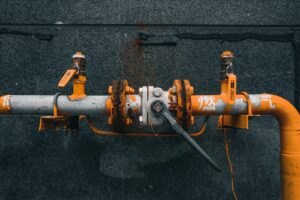
Gas line evacuation is a sensitive safety procedure that requires careful planning, proper tools, and trained professionals. The safe execution of evacuating gas lines helps prevent leaks, fires, explosions, and other hazards that may threaten people and property. Whether the work takes place in a home, commercial building, or industrial facility, every step must follow established safety practices.
When technicians remove gas from a pipeline before repairs, inspections, or replacements, they must control the process from start to finish. Therefore, understanding the correct methods and safety measures is essential. With proper preparation and attention to detail, teams can complete gas line evacuation tasks while reducing risks and improving overall safety.
Understanding Why Gas Line Evacuation Matters
Gas line evacuation involves removing fuel gas from a pipeline or system before maintenance activities begin. The main purpose is to create a safer environment where technicians can work without the danger of trapped or uncontrolled gas.
The safe execution of this process starts with understanding the condition of the gas system. For example, an older pipeline may require additional inspection because corrosion or damaged connections can increase the chance of leaks. By identifying possible issues early, workers can create a better safety plan.
Additionally, proper evacuation protects equipment and prevents unexpected interruptions. A controlled approach ensures that repairs and modifications can move forward without unnecessary hazards.
Evaluating Risks Before Beginning the Process
Before any evacuation work starts, technicians must carefully evaluate the area. Gas systems can create serious risks if workers ignore potential dangers. Therefore, a complete safety assessment should always come first.
Professionals look for possible ignition sources, including open flames, electrical equipment, and other heat-producing devices. They also inspect ventilation conditions because gas buildup in enclosed areas can create dangerous situations.
Furthermore, the team should review emergency procedures before starting the operation. This preparation supports the safe execution of the evacuation process because everyone understands their role if a problem occurs.
Preparing the Right Tools and Equipment
Proper equipment plays a major role in successful gas line evacuation. Workers need reliable tools that help them monitor conditions and complete the task safely.
Gas detection devices are among the most important tools because they help identify leaks and measure gas levels. In addition, workers may use protective gear and approved equipment designed specifically for gas-related work.
Before beginning, technicians should inspect all tools to confirm they are working correctly. A faulty detector or damaged equipment can create additional risks. Therefore, regular equipment checks are a necessary part of maintaining safety standards.
Creating a Controlled Evacuation Plan
A clear plan improves the efficiency and safety of the entire operation. The first step usually involves isolating the section of the pipeline that requires service. This prevents additional gas from entering the area during the work.
Next, technicians carefully remove the remaining gas while monitoring pressure and system conditions. The safe execution of evacuating gas lines depends on maintaining control throughout this stage. Sudden releases or pressure changes can create dangerous situations if workers do not follow proper procedures.
After evacuation, professionals verify that the line is free from hazardous gas before starting repairs. This final check confirms that the work area is ready for the next step.
Maintaining Ventilation and Continuous Monitoring
Proper ventilation is essential during gas line evacuation. Even a small amount of released gas can become dangerous if it collects in a closed space. Therefore, maintaining good airflow helps reduce potential risks.
Technicians use monitoring equipment to track gas levels throughout the operation. These devices provide real-time information and allow workers to respond quickly if conditions change.
Moreover, continuous monitoring supports the safe execution of the entire process. Instead of relying only on preparation, teams can identify problems immediately and take corrective action when needed.
Training Teams for Better Safety Results
A trained workforce is one of the strongest defenses against accidents. Workers involved in gas line evacuation must understand equipment use, safety procedures, and emergency response steps.
Training helps employees recognize warning signs and make better decisions during challenging situations. For instance, technicians should know how to respond if they detect unexpected gas levels or equipment issues.
In addition, strong communication between team members improves coordination. Everyone should understand their responsibilities because teamwork plays a major role in achieving safe and effective results.
Managing Emergencies During Evacuation Work
Even with careful preparation, unexpected situations may occur. Because of this, every gas line evacuation project should include an emergency response plan.
If a leak develops, workers must follow established procedures to protect themselves and others. They may need to stop the operation, secure the area, improve ventilation, or contact emergency services.
A well-prepared response plan supports the safe execution of evacuating gas lines because it helps teams act quickly under pressure. Regular safety drills also improve confidence and readiness.
Using Inspections to Prevent Future Problems
Regular inspections help identify problems before they become major safety concerns. Gas systems can experience wear over time, especially when exposed to environmental conditions or heavy use.
Routine inspections allow professionals to find damaged components, loose connections, and other issues that may affect system performance. As a result, property owners and businesses can address concerns before they create dangerous conditions.
Furthermore, keeping detailed inspection records helps teams plan future maintenance. These records provide useful information about the condition of the system and support better safety decisions.
Creating a Long-Term Safety Mindset
The success of any gas line evacuation project depends on more than technical steps. It requires a commitment to safety from every person involved. When workers follow procedures, communicate clearly, and remain alert, they create safer environments.
The safe execution of evacuating gas lines requires preparation, knowledge, and responsibility. By combining proper training, reliable equipment, careful monitoring, and strong safety practices, professionals can complete gas system work more effectively.
Ultimately, safety should remain the highest priority during every stage of gas line evacuation. A careful approach protects workers, customers, and communities while supporting reliable gas system operations.