Preventing Chemical Mixing Accidents Before They Start


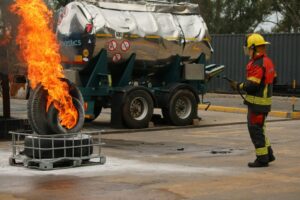
Reactive mixtures can release heat, produce harmful gases, start fires, or build dangerous pressure. These hazards arise when chemicals interact with each other or encounter unsuitable conditions. However, a substance does not need to look unusual to present a serious risk. Familiar materials can become dangerous when combined incorrectly, heated unexpectedly, or contaminated during handling.
Preventing injuries begins with understanding the reaction before work starts. Workers need clear information about ingredients, equipment, and operating conditions. Additionally, employers must assess what could happen if something goes wrong. The U.S. Chemical Safety Board identifies uncontrolled reactions as a cause of fires, explosions, and toxic releases. Careful preparation helps prevent these events.
Identify Every Substance Before Mixing
Check each product label before opening a container or connecting transfer equipment. Confirm the product name and match it to the correct safety data sheet, or SDS. Furthermore, verify any concentration information required by the procedure. Similar containers and familiar brand names do not establish that two products contain the same ingredients or behave identically.
A complete chemical inventory also supports safer decisions. It helps qualified personnel identify substances that could react during processing, storage, or accidental contact. However, individual product information may not fully explain every possible interaction. OSHA recommends evaluating which workplace chemicals can react with other materials. Resolve uncertainty through a qualified safety professional before approving a mixture.
Follow a Reviewed Written Procedure
A written procedure should define the materials, quantities, equipment, and conditions required for the task. It should also explain who may perform the work and when to stop. Therefore, workers should review the procedure before beginning. Instructions based only on memory can leave important details unclear, especially during an unfamiliar operation or a shift change.
Changes require attention as well. Increasing a batch size can change how a reaction releases and loses heat. Consequently, a process that worked with a small quantity may become unsafe with a larger one. OSHA’s laboratory guidance calls for additional review before increasing reaction scale. Do not substitute ingredients, equipment, or operating conditions without appropriate assessment.
Keep Incompatible Materials Apart
Separate chemicals according to compatibility rather than convenience. Acids and bases may need separate storage, while oxidizers require separation from flammable materials. Additionally, water-reactive substances need protection from water sources. Follow the SDS and approved storage plan. Alphabetical organization alone can place substances beside each other that could react dangerously if their containers leak.
Preventing wrong connections and mistaken additions requires more than careful reading. Facilities may need dedicated transfer connections, clearly separated storage areas, or systems that verify ingredients before mixing. Furthermore, supervisors should evaluate whether a single human check provides enough protection. Chemical Safety Board findings emphasize practical safeguards against accidental mixing and warn against relying solely on two employees initialing a procedure.
Control Heat and Pressure Through Equipment
Some reactions release heat faster than equipment can remove it. Others generate gas that can increase pressure. Therefore, qualified personnel must evaluate these hazards when designing the process. Suitable controls may include cooling, safe pressure management, monitoring, and protective shutdown systems. Workers should understand the operating limits and know how the equipment indicates a developing problem.
However, protective equipment cannot replace a properly designed process. Before operation, confirm that required controls function and that responsible personnel address defects. The hazard assessment should consider cooling failure, unexpected contamination, and changes in addition rates. These conditions can alter reaction behavior. Emergency measures must reflect the actual process rather than a general assumption that every reaction can stop immediately.
Prevent Contamination During Handling
Small amounts of an unwanted substance can trigger a dangerous reaction in sensitive materials. Use clean, compatible tools and follow the approved transfer method. Additionally, avoid returning leftover material to its original container. Residue from a measuring tool or receiving vessel may contaminate the supply and create a hazard that remains unnoticed until later use.
Keep containers away from unsuitable heat sources and follow the manufacturer’s storage temperature requirements. Furthermore, inspect materials for unexpected changes, such as discoloration, corrosion, or bulging containers. Report anything unusual and keep others away. Do not open, move, or test a suspicious container without specialist direction. Unknown age or altered appearance can require a different handling approach.
Choose Protection That Matches the Task
Select gloves using chemical compatibility information and the expected contact conditions. No glove material protects against every chemical. Therefore, consider the substances involved, exposure duration, and the work itself. Employees also need training in removing contaminated gloves safely. Replace damaged equipment promptly and follow the manufacturer’s guidance about inspection, use, and replacement.
Eye and face protection must match the splash and impact hazards. Chemical splash goggles may require a face shield for added protection during certain tasks. However, a face shield alone does not adequately protect the eyes. Use suitable protective clothing alongside containment, ventilation, and other controls. Personal protection provides another layer of defense when the process assessment identifies remaining exposure risks.
Prepare for Problems Before They Occur
Workers should know the alarm signals, evacuation routes, and emergency contact procedures before handling reactive mixtures. Additionally, define who can operate emergency controls and under what conditions. If a reaction behaves unexpectedly, follow the established emergency procedure. Do not lean over a vessel, open a pressurized container, or add another substance in an attempt to correct the problem.
Spill response also requires planning for the specific chemicals and quantities involved. A cleanup method suitable for one substance may react dangerously with another. Consequently, employees should understand when to withdraw and call trained responders. Keep unauthorized people away, provide accurate chemical information, and let qualified personnel determine safe cleanup and waste handling methods.
Review Experience and Strengthen Training
Training should connect written instructions with the actual work employees perform. Ask workers to explain ingredient checks, operating limits, and emergency actions in their own words. Furthermore, review changes before introducing new materials or equipment. Procedures remain useful only when people understand them and when they reflect current working conditions.
Finally, examine unexpected events and near misses before restarting the process. A temperature rise, mistaken addition, or equipment failure may reveal a weakness that needs correction. Share relevant findings with affected employees and update safeguards where necessary. Learning from operating experience and previous incidents helps teams prevent the same conditions from causing a more serious injury later.