Safe Execution of Evacuating Gas Lines for Maximum Workplace Safety


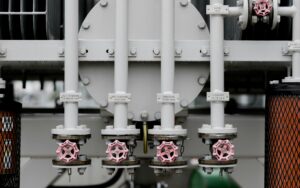
The safe execution of evacuating gas lines is a critical process that protects workers, buildings, and industrial operations from serious hazards. Gas leaks can quickly create dangerous environments that lead to fires, explosions, equipment damage, and health risks. Therefore, companies involved in gas line maintenance, industrial gas systems, or residential gas services must follow strict safety procedures during every evacuation project. Proper gas line evacuation not only prevents accidents but also ensures compliance with workplace safety regulations and industry standards.
Today, professional technicians use advanced gas detection equipment, pressure monitoring systems, and ventilation methods to complete gas line evacuation safely and efficiently. Moreover, proper planning and employee training reduce the likelihood of costly mistakes during maintenance operations. Because natural gas and other combustible gases are highly flammable, every stage of the evacuation process requires careful attention. As a result, businesses that prioritize safe gas line evacuation procedures improve operational reliability, workplace safety, and long-term equipment performance.
Understanding the Importance of Gas Line Evacuation
Gas line evacuation removes hazardous gases, trapped air, moisture, and contaminants from pipelines before repair or installation work begins. This process is essential because leftover gas inside a system can ignite unexpectedly and create life-threatening conditions. Consequently, professional evacuation procedures are necessary for maintaining a safe work environment during industrial gas maintenance or residential gas line repairs.
In addition, gas line evacuation improves the efficiency and lifespan of gas-powered equipment. Moisture and contaminants inside pipelines can damage valves, regulators, and connected appliances over time. Therefore, removing harmful substances from the system helps prevent corrosion and supports better operational performance. Proper gas evacuation also ensures that gas systems meet safety inspection requirements before they are returned to service.
Following Proper Safety Regulations
Safety regulations are a major part of the safe execution of evacuating gas lines. Government agencies and workplace safety organizations establish strict guidelines for handling combustible gases during maintenance procedures. These regulations help reduce workplace accidents while ensuring that technicians use approved safety practices throughout the operation.
Furthermore, workers should always wear proper personal protective equipment before starting any gas evacuation project. Flame-resistant clothing, protective gloves, eye protection, and gas detectors provide additional safety during hazardous tasks. Meanwhile, supervisors should inspect the worksite carefully to confirm that emergency equipment, warning systems, and ventilation controls are functioning correctly before work begins.
Inspecting Equipment Before Evacuation
Technicians must inspect all evacuation equipment before starting the gas line evacuation process. Damaged hoses, leaking valves, faulty pressure gauges, or malfunctioning pumps can create serious dangers during maintenance work. Because of these risks, all tools and safety systems should be tested before the evacuation begins.
At the same time, workers should verify that emergency shutoff systems remain accessible throughout the operation. Emergency controls allow technicians to stop gas flow immediately if unsafe conditions develop. Additionally, inspecting ventilation systems helps reduce the possibility of combustible gas accumulation inside enclosed spaces. Proper equipment inspections significantly improve overall workplace safety during gas line servicing.
Using Proper Ventilation Techniques
Ventilation plays a critical role in safe gas line evacuation procedures. Without proper airflow, combustible gases can collect in confined areas and increase the risk of fire or explosion. Therefore, technicians should always ensure that work areas are properly ventilated before beginning the evacuation process.
Meanwhile, industrial exhaust fans and air circulation systems help remove harmful gases from enclosed environments. These ventilation systems improve air quality while protecting workers from inhaling dangerous fumes. As a result, technicians can complete gas line evacuation tasks more safely and effectively while reducing exposure to hazardous conditions.
Monitoring Gas Levels Continuously
Continuous gas monitoring is one of the most important safety measures during gas line evacuation. Professional technicians use advanced gas detection systems to monitor gas concentrations throughout the operation. These devices immediately alert workers if combustible gas levels exceed safe limits.
Moreover, regular gas monitoring helps identify hidden leaks that could otherwise remain undetected. Even after the evacuation process is complete, technicians should continue testing surrounding areas to ensure that gas levels remain stable. Consequently, continuous monitoring provides an additional layer of protection for both workers and nearby occupants during industrial gas maintenance projects.
Preventing Ignition Sources During Work
Eliminating ignition sources is essential during the safe execution of evacuating gas lines. Even a small spark from electrical equipment, static electricity, or open flames can ignite combustible gases under certain conditions. Therefore, technicians must secure the worksite carefully before beginning maintenance procedures.
Likewise, smoking, welding, and unauthorized electrical activity should be prohibited near the evacuation zone. Safety barriers and warning signs help prevent accidental entry into hazardous areas. Additionally, grounding equipment properly helps minimize the risk of static electricity buildup during gas handling operations. These preventive measures greatly reduce the chance of accidental ignition.
Training Workers for Emergency Situations
Proper employee training is necessary for maintaining gas line safety in industrial and residential environments. Workers involved in gas evacuation procedures should understand emergency shutdown methods, evacuation routes, fire prevention techniques, and leak response procedures. Comprehensive safety training helps employees respond quickly if unexpected situations occur during maintenance work.
Furthermore, regular emergency drills improve worker confidence and preparedness during hazardous situations. Teams that practice emergency response procedures are often better equipped to handle gas leaks, equipment failures, or ventilation problems. Therefore, ongoing safety education remains one of the strongest defenses against workplace accidents involving combustible gas systems.
Maintaining Documentation and Inspections
Detailed documentation supports safer gas line evacuation procedures and improves long-term compliance with workplace safety standards. Technicians should record inspection findings, gas pressure readings, equipment maintenance details, and safety checks during every project. Accurate records help identify recurring issues and verify that all evacuation procedures were completed correctly.
Additionally, routine inspections after gas line evacuation help detect early signs of wear, corrosion, or leakage before serious problems develop. Preventive maintenance improves equipment reliability while reducing the likelihood of expensive repairs or emergency shutdowns. Consequently, businesses that maintain thorough inspection programs create safer and more efficient gas system operations.
The safe execution of evacuating gas lines requires advanced safety procedures, proper equipment inspections, continuous gas monitoring, and highly trained personnel. Every stage of the process plays a vital role in preventing gas leaks, explosions, fires, and equipment failures. Because combustible gas systems present serious workplace hazards, companies must prioritize professional gas line evacuation practices to protect workers and property.
By implementing strong gas safety protocols, improving ventilation systems, and following industry regulations, businesses can significantly reduce operational risks during gas line maintenance. In addition, regular inspections and emergency preparedness training strengthen workplace safety and improve long-term system performance. Ultimately, professional gas line evacuation procedures remain essential for creating secure, compliant, and efficient industrial and residential gas operations.